

Mobile Bus Repair vs. Towing to a Shop: Which Option Makes Sense for Your Fleet?
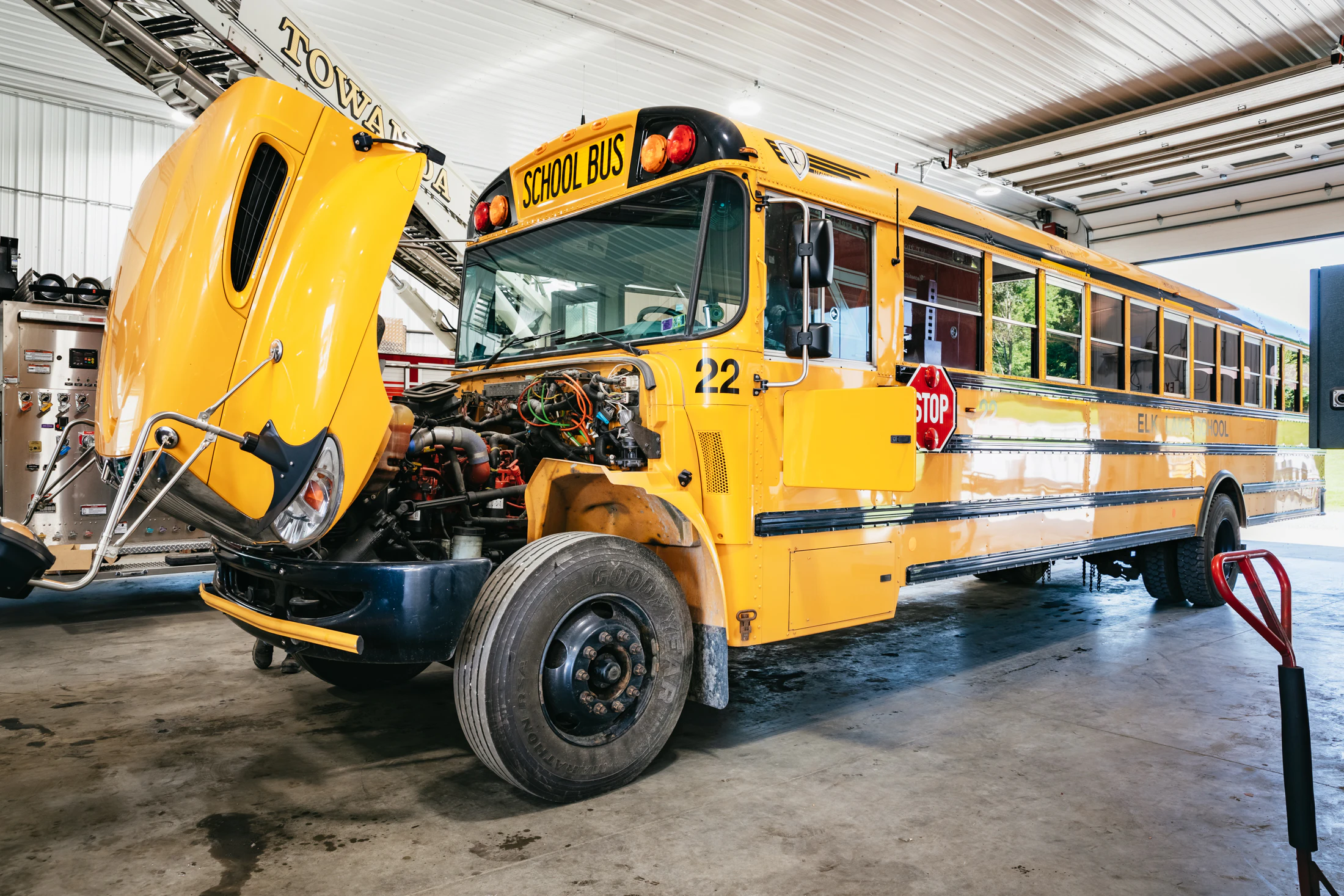
For bus fleets operating in San Diego, CA, repair decisions directly affect safety, scheduling, compliance, and operating costs. When a bus breaks down or shows signs of failure, fleet managers must decide whether to perform mobile bus repair or tow the bus to a shop. Both options are valuable. The right decision depends on the vehicle's condition, the repair location, the severity of the fault, and the equipment needed to complete the work properly.
What Mobile Bus Repair Is Best For
Mobile bus repair is most practical when the vehicle is safely parked, and the issue can be diagnosed or repaired without extensive disassembly. This approach lets a technician service the bus at a fleet yard, terminal, school facility, parking area, or approved roadside location. Mobile service is commonly suitable for:
- Diesel bus diagnostics
- Battery testing and replacement
- Minor electrical repairs
- Belt and hose replacement
- Fluid leak inspections
- Cooling system checks
- Lighting repairs
- Basic air brake repair inspections
- Scheduled preventive maintenance
Fleet maintenance is not optional. Under 49 CFR § 396.3, motor carriers must systematically inspect, repair, and maintain the vehicles under their control. For many San Diego fleets, on-site bus repair supports that responsibility by reducing unnecessary vehicle movement and simplifying routine service scheduling.
When Towing To A Shop Makes More Sense
Bus towing is usually the better option when the repair requires a controlled shop environment, heavy equipment, or a significant teardown. A mobile technician may still perform the initial diagnostic inspection, but some repairs cannot be completed safely or efficiently in the field. Towing is often appropriate for:
- Major bus engine repair
- Transmission failure
- Severe coolant loss
- Suspension or structural damage
- Wheel-end failure
- Major brake defects
- Heavy oil, fuel, or coolant leaks
- Unsafe roadside locations
The FMCSA’s passenger carrier maintenance guidance reinforces the requirement that passenger-carrying vehicles be maintained in safe, proper operating condition. If a defect affects braking, steering, suspension, visibility, or drivability, the bus should not return to service until the issue is corrected.
Safety Should Guide The Repair Decision
Safety should always come before convenience. A bus may be large, complex, and heavily used, but it is also responsible for transporting passengers. That makes repair decisions more consequential than simple cost comparisons. A bus should generally be towed if:
- It cannot build or hold proper air pressure
- It has steering instability
- It has an active wheel-end concern
- It is leaking a critical fluid heavily
- It is positioned in an unsafe roadside location
- It cannot be safely inspected where it sits
California operators must also consider state-level maintenance requirements. The California Highway Patrol’s Basic Inspection of Terminals Program reviews regulated carriers’ maintenance programs, vehicle records, and safety practices. For fleets in San Diego and surrounding areas, consistent bus fleet maintenance and accurate repair documentation support safer operations and better compliance preparation.
How Diagnostics Help Reduce Downtime
Modern buses rely on electronic systems to control engines, transmissions, aftertreatment components, braking systems, and electrical functions. As a result, diesel bus diagnostics can often determine whether mobile repair or towing is the appropriate next step.
A technician can retrieve fault codes, review live data, inspect wiring, and determine whether the failure is minor, developing, or severe. This capability is especially useful when a warning light appears, the bus enters derate, or the engine will not start.
Aftertreatment-related faults are a common example. Diesel exhaust fluid and selective catalytic reduction systems are used to reduce emissions in diesel engines. Some faults can be resolved with mobile diagnostics and minor repair, while others may require shop-level testing or component replacement.
Cost Considerations For Fleet Managers
The cost of towing extends beyond the tow bill. Fleet managers must also account for route disruptions, replacement-vehicle planning, driver delays, dispatch coordination, and lost service time. These indirect costs can make fleet downtime more expensive than the repair itself.
Mobile fleet service can reduce those costs when repairs can be handled on-site. It is often efficient for no-start inspections, battery problems, lighting issues, small leaks, diagnostics, and scheduled maintenance.
However, mobile repair is not always the lower-cost option. If the bus clearly needs major mechanical work, towing it directly to a shop may avoid duplicate labor and delays. The most efficient approach is to use mobile service for triage, diagnostics, and minor repairs, while reserving towing for repairs that require a full facility.
A Practical Decision Checklist
Before choosing between mobile bus repair and towing, consider the following questions:
- Is the bus parked in a safe, legal work area?
- Can the technician access the failed system?
- Does the repair require lifting the bus?
- Are the braking, steering, suspension, or wheel-end systems affected?
- Is there a major fluid leak?
- Can the repair be completed and properly documented on-site?
- Would continued operation risk further damage?
If the vehicle is safe and accessible and the repair is limited in scope, on-site bus repair is often practical. If the failure poses a safety risk or requires major tools, towing is usually the better choice.
Is Mobile Repair Worth It?
Yes. Mobile bus repair is appropriate when a bus can be serviced safely on-site, and the issue does not require extensive shop equipment. Bus towing is appropriate when the vehicle has a serious safety defect, a major component failure, or repair needs that exceed field-service capabilities. For dependable heavy-duty bus repair in San Diego, CA, and surrounding areas, Diesel Integrated Solutions can help fleet operators choose the right repair path, reduce downtime, and keep vehicles safer.
Get in Touch &
Contact Diesel Integrated Solutions today to schedule the 24/7 mobile truck repair & roadside assistance services you require.
